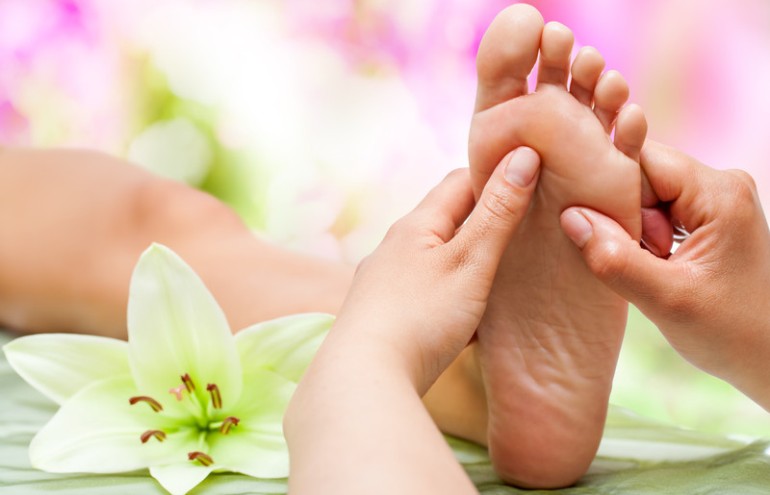
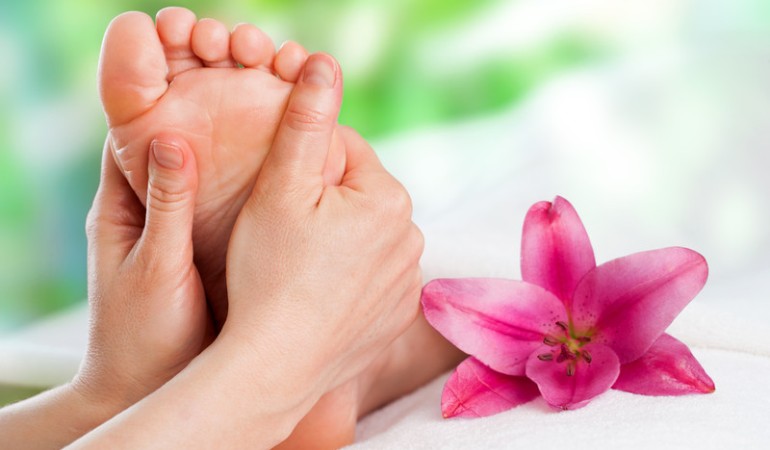
Is a relaxing natural therapy which helps balance the body and promotes healing. Reflexology targets reflex areas in the feet & hands which correspond to all parts of the body.
What is Reflexology?
Reflexology is an ancient therapy and is known to have been practiced in a similar manner by the Chinese and the Egyptians since 2300 BC. Modern Reflexology was developed by Eunice Ingham, an American physiotherapist, in the 1930s. Doreen Bayly was the first who introduced Reflexology in Great Britain in the early 1960’s, after she had studied with Eunice Ingham and she founded the The Bayly School of Reflexology. Reflexology is based on the theory that our feet and hands are like mini maps of the body as they contain reflex points which correspond to all the organs and systems in the body. By stimulating these reflexes, Reflexology may enhance the functioning of the corresponding parts of the body and to stimulate the body’s own natural ability to re-balance and heal itself. Reflexology is a deeply calming and relaxing experience and may reduce and improve symptoms such as everyday stress and tension, help with fertility and pregnancy problems, improve mood, aid sleep, help relaxation and improve your sense of well-being. A regular reflexology treatment is a great form of preventative medicine.
Will reflexology help me?
Well trained reflexologists do not claim to cure, diagnose or prescribe. Reflexology is a very individual treatment which is tailored to you as a whole person, taking into account both physical and non-physical factors that might be affecting your wellbeing. Some people find it works for them - some don't. The best way to find out is to try it! The theory is that reflexology helps the body to restore its balance naturally. Usually, after a treatment your tension may be reduced and you might feel relaxed. You might also notice yourself sleeping better and find your mood and sense of wellbeing improving. You may also find that other aspects improve too; however, this happens on an individual basis. With ever increasing levels of stress in everyday life, it is important for people to take more responsibility for their own healthcare needs. Reflexology may be one of the ways to mitigate the stresses of modern life. Reflexology should not be used as an alternative to seeking medical advice.
What to expect from reflexology treatment?
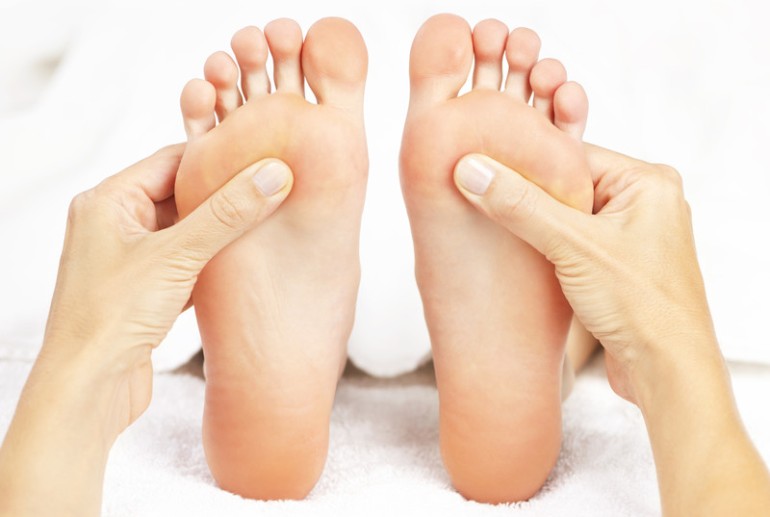
When first visiting a Reflexologist, a detailed medical history will be taken in order to understand specific needs and issues. The client will then be seated in a comfortable recliner chair and will be asked to remove shoes and socks. The practitioner will initially examine the feet before starting with the specific type of massage. This massage requires the application of a firm pressure using thumb and fingers to reflex points. All areas on both feet will be massaged. Areas corresponding to parts of the body which are out of balance may feel uncomfortable or tender when pressure is applied and the degree of tenderness will indicate the degree of imbalance. The sensitivity of the feet can vary from person to person and the trained practitioner will know how to interpret the tenderness felt and the amount of correct pressure needed. The massage should not be very uncomfortable to even the most sensitive of feet.
Treatment sessions
The full treatment session will last approximately 1 hour and at the end of a session the feet should feel warm and the patient relaxed. The first treatment may last more than an hour as extra time is needed to take a detailed medical history.
Healing reactions
Following treatment, most people feel a sense of wellbeing and relaxation, whilst others may find it uplifting and energising. However, it is sometimes possible that the eliminating systems of the body become more active in order to rid the body of unwanted toxins. Some people may experience increased urination, increased thirst, feeling lethargic, nauseous or tearful. These symptoms are temporary (24-48 hours) and a general sense of well-being will follow.
Research
Pain relief – Back pain
Researchers at the University of Portsmouth have found that people felt about 40 per cent less pain, and were able to stand pain for about 45 per cent longer, when they used reflexology as a method of pain relief.
Read more
Reducing Anxiety
A study undertaken at Anglia Ruskin University in the U.K examined the effectiveness of reflexology in a hospital or healthcare setting,and found that reflexology in this type of setting strongly reduced anxiety.
Read more